Wardogs in 2026 Is a Completely Different Game Thanks to Season 2 Rain
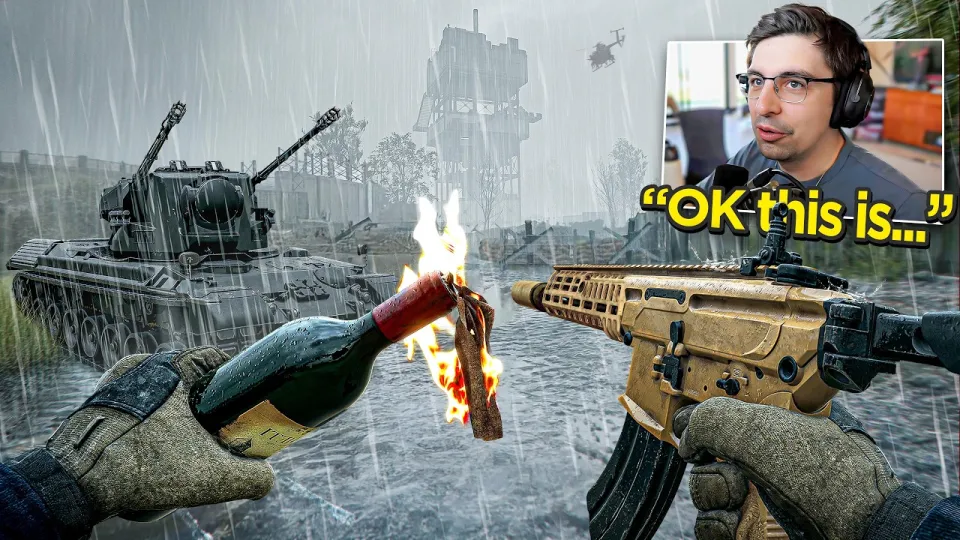
Video: Wardogs Is a Completely Different Game Now...
Want articles like this for your own video to promote it on YouTube and Google? Order them through the Telegram bot @sat_sit_bot. Articles with your video embedded are written and posted by the bot itself — on popular topical sites (no ads). Try it free: 50 articles on us.
Key takeaways
- Wardogs Season 2 added dynamic rain that limits visibility and reshapes every fight on the map.
- Sniping suffers most: targets become hard to see even around 190 meters in heavy rain.
- Infrared goggles and HP ammo (leg shots) become far more valuable in wet conditions.
- Squads in one voice chat hold a real advantage over larger groups of uncoordinated players.
- shroud's crew tested the new weather on stream and called it a completely different game.
Wardogs in 2026 is a completely different game because Season 2 added dynamic rain that cuts visibility, punishes long-range sniping and forces squads to rethink rotations, ammo choice and close-quarters pushes. The weather is not a cosmetic filter: it changes how fights start, how they end and which gear pays off. shroud's squad ran into exactly that on stream, and the season's full show is collected on the official Spotify page for anyone who wants the audio version of the ride.
What the Wardogs Season 2 rain actually changes
The rain is a gameplay system, not a mood filter, and it touches three layers of the match at once. First, visibility drops sharply at range, so players who built their whole plan around spotting silhouettes at distance lose their main tool. Second, sound gets muddier, which makes audio cues less reliable and pushes squads toward tighter spacing and more deliberate callouts. Third, the storm changes the value of gear: anything that helps you see or hit through the murk jumps up the priority list.
A viewer who tested the update described holding the south tower of Ozeti under constant raids, then pushing slightly north-west until the bridge came into view and realizing they were standing in a completely different part of the map than they expected. That is the core of the change: familiar landmarks stay, but the routes between them stop being safe.
Why sniping took the hardest hit
Long-range play is the biggest loser in heavy rain, and the numbers show it. Players report that even around 190 meters a target can be nearly impossible to pick out, which turns scoped rifles from a reliable opener into a gamble. If you cannot confirm a silhouette, you cannot hold an angle, and a missed first shot in the open is usually fatal.
The practical consequences:
- Marksman rifles and long scopes lose their default slot in loadouts during storms.
- Infrared optics gain value fast, because they restore some target acquisition in low contrast.
- Mid-range weapons with fast handling become the safer pick over anything that needs a clean sightline.
- Rotations shift toward cover-dense routes, since open ground offers no information advantage anymore.
The leg-shot problem and why HP ammo matters
Armor coverage makes torso and head shots inefficient against heavily protected targets, so HP ammo aimed at the legs is the counter, and the rain makes that lesson expensive. One of the most repeated moments from the stream is a teammate being told to shoot legs, acknowledging it, then emptying a magazine everywhere except the legs and concluding the gun is the worst in the game. The weapon was fine; the ammo and the target zone were the issue.
If you are running a submachine gun like the PP-19 and you have HP rounds loaded, your job in a squad fight is to break armor through limbs, not to duel protected chests. Two habits fix this quickly:
- Bind a mental checklist before every engagement: ammo type, then target zone, then trigger.
- Practice leg tracking in close quarters so the reflex exists before the storm removes your visibility.
Squad coordination beats raw numbers in the storm
Twenty players spread across separate chats are not twenty coordinated opponents, and the rain amplifies that gap. A group of six sharing one voice channel with constant callouts can out-trade a larger, fragmented force because information is the scarcest resource in low visibility. When nobody can see far, whoever talks faster and clearer wins the engagement before the first shot.
That is also why the storm rewards base-building and holding ground. A viewer noted a large blue base that took real effort to construct, and structures matter more when open sightlines are gone: they give you a place to reset, repack and force attackers into predictable entries. The trade-off is that static positions invite raids, so a squad needs a plan for rotating out before the enemy stacks up.
Common mistakes players keep making in rainy matches
Most deaths in the new weather come from habits built in clear conditions, not from the rain itself. The most common failure is treating a known threat casually: getting shot from a building, walking into that same building, opening the inventory mid-fall to repack magazines, and dying to the same shooter. Inventory management is a cover activity, never a movement activity.
Other frequent errors:
- Blaming the weapon instead of checking ammo type and hit placement.
- Holding long angles out of habit when the storm has already erased the sightline.
- Pushing open ground without a callout, then wondering why nobody traded the kill.
- Forgetting that health thresholds change decisions: players call out being at one HP whether they have ten, three or literally one, which leads to panic pushes and unnecessary deaths.
- Ignoring the helicopter and vehicle routes that the rain makes both riskier and more valuable for repositioning.
How to adapt your loadout and rotations
Adapting to Wardogs weather is a short checklist rather than a full rebuild. Start with optics: bring something that works in low contrast, and treat infrared as a core item rather than a luxury. Next, fix ammo: carry HP rounds if your weapon supports them and commit to limb damage against armored targets. Then trim your range: swap the long-scope duel for a mid-range weapon you can actually land shots with in murk.
For movement, favor routes with hard cover and short sightlines, and treat every bridge, tower and open crossing as a contested checkpoint. Keep the squad in one voice channel, assign one person to watch the flanks, and rotate before the enemy consolidates. The rain does not remove skill; it moves the skill check from aim at distance to positioning, communication and target selection.
Useful links
- Spotify show page — the audio show tied to the stream.
- Logitech G promo page — gear featured in the video description.
- MAINGEAR shroud reference PC — the build referenced by the channel.
- shroud on Twitter and shroud on Twitch — live streams and updates.
Final thoughts
Season 2 rain turns Wardogs into a game about information rather than sightlines, and that is why it feels new even on maps players already know. Sniping is the clearest casualty, HP ammo and infrared optics are the clearest winners, and squads that talk in one channel will keep beating larger groups that do not. The stream from the shroud channel is a useful stress test of all three: bad visibility, expensive ammo mistakes and a lot of close-range chaos. If you want more of that run, the Spotify show page has the full audio companion.
Source: Wardogs Is a Completely Different Game Now... · Markdown version
Questions & answers
Does rain in Wardogs Season 2 actually change gameplay or is it cosmetic?
It changes gameplay. Visibility drops sharply at range, audio cues become less reliable, and fights shift toward close and mid-range engagements. Players report that even around 190 meters targets can be hard to see, which removes a lot of the value from long-range scopes.
Is sniping still viable in heavy rain?
It is much weaker but not dead. You need low-contrast optics such as infrared, and you should expect shorter engagement distances. Most squads are better off dropping the long-scope duel for a mid-range weapon during storms and keeping snipers for clear weather.
Why do players keep dying after being told to shoot legs?
Because armor makes torso and head shots inefficient, so HP ammo aimed at limbs is the counter. The mistake is acknowledging the advice and then firing at the chest out of habit. The weapon usually is not the problem; the ammo type and target zone are.
Does a bigger squad win fights in the rain?
Not automatically. Twenty players in separate chats lack shared information, while six players in one voice channel with constant callouts can out-trade them. In low visibility, coordination and clear communication matter more than raw numbers.